

Root canal treatment is one of the most common dental procedures, yet it may also be one of the most misunderstood. For many patients, the mention of a root canal brings immediate anxiety. That fear usually comes from myths that have been repeated for decades, not from facts. The truth is that root canal treatment relieves pain rather than causing it. It does not make you sick, and it gives you a chance to save a tooth that would otherwise be lost. These are the root canal myths debunked so you can separate fact from fiction.
Many patients avoid root canal treatment because they believe the myths. In reality, avoiding endodontic treatment can lead to worse pain and more complicated dental problems. The wait-and-see approach is risky because infections do not heal on their own. Taking care of the problem early gives you the best chance to save the tooth.

The Most Common Root Canal Myths
Patients hear many things about root canals. Some stories are passed down through families, and others come from outdated research that has since been debunked. The result is a set of misconceptions that keep people from getting the care they need. The root canal, though one of the most common dental procedures, is one of the most often misunderstood. Here are the biggest root canal myths and the facts that debunk them.
Myth 1: Root Canals Cause Intense Pain
This is the oldest and most widespread root canal myth. It comes from an era before modern anesthetics and techniques were available. Today, most patients report that the procedure feels no worse than getting a simple cavity filling. Root canals relieve tooth pain rather than causing it. When the infected tissue is removed, the pressure inside the tooth goes away, and the pain stops. The discomfort that brought the patient to the dentist in the first place is the real pain source, not the treatment itself.
Myth 2: Root Canals Cause Illness or Systemic Disease
Another common belief is that a root canal leaves harmful material in the body that leads to disease elsewhere. This claim is not backed by science. There is no scientific evidence that links root canal treatments to illnesses or systemic diseases such as arthritis, heart disease, or cancer. Root canals don’t cause cancer, pain, or illness. The AAE has reviewed the major root canal myths and debunked every one, including these claims about systemic disease.
Myth 3: Extraction Is a Better Alternative to Root Canal Treatment
Some patients think that pulling the tooth is safer, faster, or less painful than saving it. The exact opposite is true. The pain, inconvenience, and cost of avoiding endodontic treatment in favor of tooth extraction or a wait-and-see approach can be easily avoided. When you choose extraction, you lose the natural tooth and the chance to save it. The longer you postpone treatment, the more you risk the chance to save your tooth. Root canal treatment protects your natural smile.
| Common Myth | Fact |
|---|---|
| Root canals are painful. | Root canals relieve tooth pain. |
| Root canals cause illness. | No scientific evidence links root canals to systemic disease. |
| Extraction is a better choice. | The opposite is true; saving the tooth avoids avoidable pain, inconvenience, and cost. |
Why Root Canal Myths Persist
The dreaded root canal is only perceived as a negative experience because of the myths that people believe about it. These myths are not based in fact. Patients may recall stories from relatives who had treatment decades ago, before modern anesthetics were widely used. That experience no longer reflects what root canal treatment feels like today. Dentists and endodontists now have access to modern techniques that make the procedure far more comfortable and effective.
The fear is also fueled by the way the procedure is talked about. People say “root canal” as if it were a punishment, when it is actually a treatment that ends tooth pain. The reality is that patients who complete the procedure usually feel better, not worse. Changing the conversation about root canals starts with sharing accurate information.
What Happens When Treatment Is Delayed
If you postpone root canal treatment, you risk the chance to save your tooth. The longer you wait, the more the infection can spread and the more damage can occur. Waiting also allows pain to continue, which is the opposite of what patients want. Root canal treatment is meant to stop the pain by removing the infected tissue inside the tooth. Delaying it makes the problem worse. In some cases, a dead tooth doesn’t hurt at all. Tooth pain is not always present with a dead tooth, so patients may not realize there is an infection until a dentist finds it.
Patients sometimes hope the pain will go away on its own. That hope is risky because the infection inside the tooth will not heal without treatment. The longer the infection sits, the more damage it can do to the tooth and the surrounding area. Root canal treatment removes the source of the infection so the healing process can begin.
What Modern Root Canal Treatment Is Really Like
Modern root canal treatment is designed to relieve pain and save the tooth. With today’s anesthetics and techniques, the procedure is far different from the stories that scare people. The goal is simple: remove the infected tissue, stop the pain, and keep the natural tooth in place. There is no scientific evidence that the procedure causes illness or makes you more vulnerable to other diseases. The procedure itself is no more painful than a simple cavity filling, and it provides relief from the pain caused by infection.
Patients who are anxious about the procedure often benefit from talking to their dentist beforehand. Dentists can explain each step and describe what sensations are normal during the treatment. Knowing what to expect can reduce fear and make the experience more comfortable. Modern root canal treatment focuses on patient comfort as much as on saving the tooth.
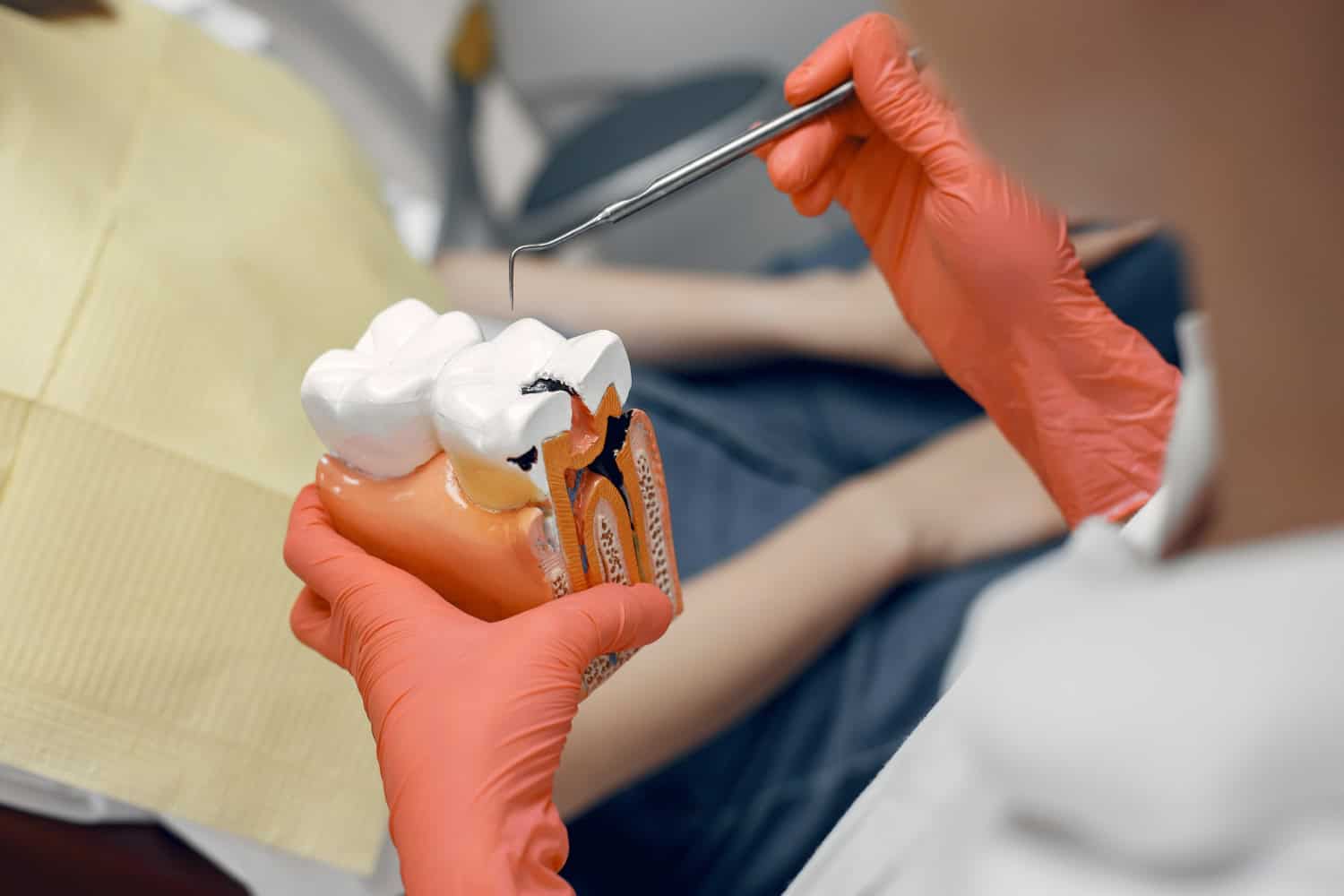
How to Tell Facts from Fiction About Root Canals
Information about root canals is easy to find, but not all of it is accurate. Some of the most persistent claims are that root canals cause cancer, arthritis, or other systemic conditions. Experts have reviewed these claims and found no scientific evidence to support them. Root canals don’t cause cancer, pain, or illness. When you come across a claim about root canal treatment, look for sources that rely on reviewed facts rather than stories. The AAE has published a guide to root canal myths that covers every major misconception, from systemic disease claims to comparisons with extraction.
It can be hard to let go of a belief you have heard for years. But when it comes to your health, it helps to trust the evidence. The reviewed facts show that root canals don’t cause illness and that extraction is not a better alternative. Keeping an open mind and asking your dentist questions can make a big difference.
The Bottom Line on Root Canal Myths
The exact opposite of the myths is true. Root canals don’t cause pain, illness, or cancer. They are performed to save a tooth that would otherwise be lost. Avoiding treatment in favor of extraction or a wait-and-see approach can lead to more pain, more inconvenience, and more cost. The longer you postpone treatment, the more you risk the chance to save your tooth. If you need a root canal, understanding the facts can help you feel at ease. The misconceptions about the procedure are not based in fact, and modern treatment is designed with your comfort in mind.
No one looks forward to needing a root canal, but the procedure is far less frightening than the myths suggest. With modern anesthetics and techniques, most patients are relieved to find that treatment is smooth and manageable. A root canal gives you the opportunity to keep your natural tooth and end the pain caused by infection.
Frequently Asked Questions
Does a root canal hurt?
Root canal treatment relieves tooth pain rather than causing it. The procedure is no more painful than a simple cavity filling thanks to modern anesthetics and techniques. The outdated belief that root canals are intensely painful comes from an era before these advances. Most patients feel a sense of relief once the infected tissue is removed and the pressure inside the tooth is gone.
Can a root canal make you sick?
There is no scientific evidence linking root canal treatments to illnesses or systemic diseases such as arthritis, heart disease, or cancer. Root canals do not cause cancer, pain, or illness. Endodontic experts have reviewed this claim and debunked it. The procedure treats an existing infection at the source, rather than creating new health problems elsewhere in the body.
Is tooth extraction a better alternative?
Extraction is not a better alternative. The exact opposite is true. The pain, inconvenience, and cost of avoiding endodontic treatment in favor of tooth extraction or a wait-and-see approach can be easily avoided. The longer you postpone treatment, the more you risk the chance to save your tooth. Keeping the natural tooth with a root canal protects your smile and prevents further issues.
Can a dead tooth be painless?
Tooth pain is not always present with a dead tooth. Some patients are surprised to learn they need a root canal because they feel no discomfort. An infection can develop silently, which is why dentists rely on exams and X-rays to find problems early. Regular checkups help catch these issues before they become more serious and harder to treat.
Why is a root canal recommended instead of waiting?
Patients sometimes wonder why a root canal is recommended right away instead of waiting to see if symptoms improve. Waiting is risky because the infection in the tooth will not heal on its own. The longer you postpone treatment, the more you risk the chance to save your tooth. Root canal treatment addresses the problem early and relieves the pain caused by infection.