A smile makeover is the process of improving the appearance of your smile through one or more cosmetic dentistry procedures. Most people hear that and picture a single dramatic appointment. In practice, a makeover is closer to a project plan. It starts with a conversation about what bothers you, moves through an examination and a written plan, and only then reaches the treatment chair. Knowing the order of events takes a lot of the uncertainty out of it.
At Willow Dental, we work with patients in Reading, MA who have very different starting points. Some have one tooth they dislike. Some have not been to a dentist in years. The stages below are the same either way, because a solid cosmetic result always sits on top of a healthy mouth.
What Counts as a Smile Makeover
The umbrella is wide. A makeover can involve one treatment or several working together, and the mix depends on what you want changed. Commonly listed cosmetic procedures include:
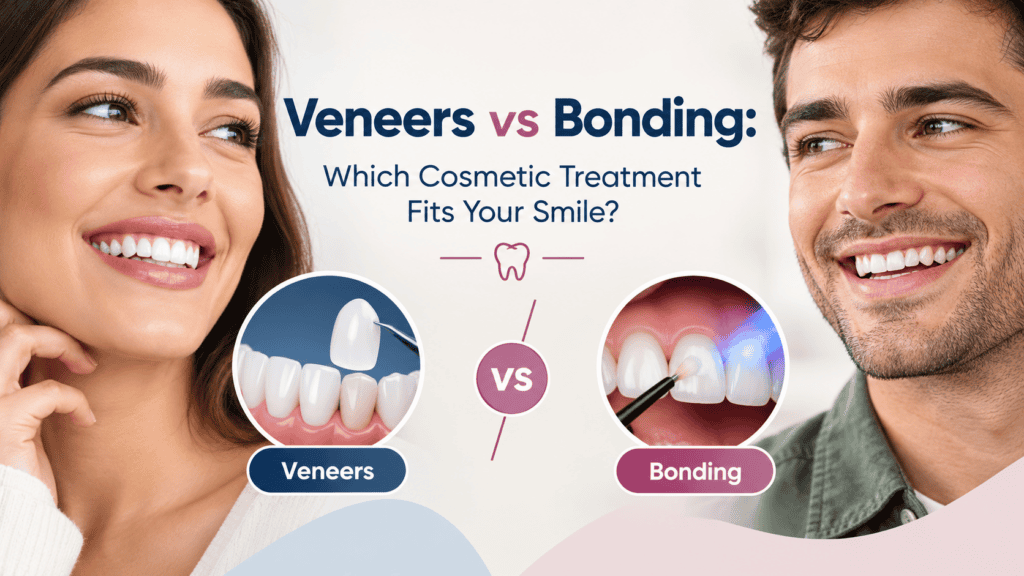
- Porcelain veneers
- Tooth whitening
- Dental bonding
- Tooth straightening
- Dental implants and bridges
- Tooth reshaping
- Gum sculpting or contouring
- Crowns and composite fillings
Some of these change color, some change shape, and some replace what is missing. That is why the first real step is not choosing a treatment. It is deciding what you actually want to be different.

The Smile Makeover Process, Stage by Stage
Dental sources tend to describe the same broad phases: consultation, examination, digital design, preliminary treatment where it is needed, the cosmetic procedures themselves, and follow-up. Here is what each one means in plain terms.
Stage One: The Initial Consultation
Most smile makeovers start with a detailed consultation, and this is the listening part. Your dentist will ask what you notice in photographs, which teeth bother you, and what result would make you happy. Knowing your aesthetic goals before you walk in helps the conversation move faster. Bringing a few photos gives your dentist something concrete to work from. Nothing is decided at this visit. It sets the direction.
Stage Two: Examination and Records
Next comes a full examination, because the plan has to rest on healthy foundations. Your dentist checks the teeth, the gums, the bite, and any existing restorations, and may take X-rays or photographs. Gum disease, decay, or a bite problem can change what is realistic. Sometimes this stage reveals that a tooth needs to be stabilized before anything cosmetic goes on top of it.
Stage Three: Building the Custom Treatment Plan
After the examination, your dentist puts the findings into a plan. That plan should list which treatments are recommended, what each one is meant to achieve, and the order they need to happen in. Ask for it in writing so you can read it calmly at home instead of deciding on the spot. You should also ask which items are essential and which are optional.
Stage Four: Preliminary Treatment
Not every plan goes straight to cosmetics. Preliminary treatment covers the less glamorous work, and it usually comes first. Active gum disease, a cavity, or a failing filling gets addressed before veneers or crowns are placed. Sequences often begin with the less invasive steps and move toward the more involved ones. The order matters because the final result sits on whatever is underneath it.
Stage Five: The Cosmetic Procedures
This is the part people picture when they hear smile makeover. Depending on the plan, it can be a single visit or a series of appointments spread over time. Some steps are quick and others are not. Your dentist should explain what each procedure involves, what you can expect afterward, and how it fits into the larger sequence, so you are not guessing between appointments.
Stage Six: Review and Follow-Up
Once the work is finished, the plan does not end. Follow-up visits let your dentist check how the teeth, gums, and bite are settling and whether anything needs adjusting. Long term, the result depends on the same things that keep any mouth healthy: daily brushing, cleaning between the teeth, regular professional cleanings, and keeping gum disease under control. Cosmetic work still needs maintenance.
Procedures That Often Appear in a Makeover Plan
The table below covers the treatments that show up most often. Your plan may include only one or a combination, and your dentist should explain why each one is on the list.
| Procedure | What it is generally used for |
|---|---|
| Teeth whitening | Lightening the overall shade of the teeth |
| Porcelain veneers | Changing the color or shape of the front teeth |
| Dental bonding | Reshaping or repairing a tooth with tooth-colored material |
| Composite fillings | Rebuilding tooth structure while matching the surrounding tooth |
| Crowns | Covering a tooth to restore its shape or strength |
| Implants and bridges | Replacing missing teeth or filling the gap they leave |
| Gum contouring | Reshaping the gum line |
| Tooth reshaping | Adjusting the shape of a tooth |
| Tooth straightening | Moving teeth into a better position |
Why Most Plans Combine Two or Three Treatments
Most patients undergo two to three different smile makeover procedures, such as teeth whitening, dental crown placement, or gum sculpting. That is rarely padding. Color, shape, spacing, and the gum line all read together, so changing one without the others can leave a smile that still looks slightly off. A single strong treatment is sometimes enough, but often two or three smaller changes are what do the work.
Planning the Order of Treatment
Which step comes first depends on a few things:
- Whether your gums are healthy
- Whether teeth need to be straightened before they are covered
- Whether a missing tooth changes your bite
- How much time you want between appointments
Ask your dentist to walk you through the sequence and explain the reasoning at each step. If a plan feels rushed, ask why each treatment is included and what would happen if you skipped it. A good plan can be defended out loud.
Questions to Ask Before You Agree to a Plan
Bring these to your consultation and write down the answers:
- What do you expect each treatment to change?
- Which procedures are essential and which are optional?
- What has to happen first for health reasons?
- What does the result look like if I stop halfway through?
- How will you match the new work to my other teeth?
- What does upkeep look like afterward?
- Can any of this be staged over a longer period?
- What is the plan if I am not happy with a step?
What a Smile Makeover Cannot Do
Cosmetic dentistry changes how teeth look. It does not replace routine care, and it will not fix gum disease that is still active. If your gums are inflamed or you have untreated decay, those problems get handled first. A makeover also cannot promise a smile that matches someone else’s photo. Teeth are shaped by your bite, your gum line, and your face, and the best result is one that looks like a healthier version of you.
If You Have Avoided the Dentist
A lot of people considering cosmetic work have been putting off dentistry for years, often because of anxiety or a bad experience. That is worth saying out loud at the first visit. Tell your dentist what makes appointments hard, and ask how the plan can be paced so no single visit feels overwhelming. There is no judgment in this. A cosmetic plan that starts with trust tends to finish better than one that starts with pressure.
Frequently Asked Questions
How long does a smile makeover take?
Timelines vary too much for a single number, because they depend on how many procedures are in your plan and how your teeth and gums respond. A whitening appointment and a set of veneers do not move at the same pace. Ask your dentist to map out the sequence at your consultation, and treat that map as a working plan rather than a promise.
How much does a smile makeover cost?
Cost depends entirely on which treatments are included, so no general figure applies. Ask for a written plan with each recommended procedure listed separately, then ask which items are optional, which can be staged over time, and how your insurance or payment options apply. Having the breakdown in writing before treatment starts makes the decision much easier.
Is a smile makeover worth it?
That depends on what you want from it. If specific teeth, gaps, or discoloration bother you and your teeth and gums are healthy, a makeover can change how you feel about your smile. If you are hoping cosmetic work will stand in for regular care or fix gum disease, it will not. Ask your dentist what is realistic for your mouth.
Do I have to do everything in the plan at once?
No. Many plans can be staged, and it is reasonable to start with the treatment that bothers you most. Some steps do need to happen in a certain order, such as getting active gum disease under control before cosmetic work, so ask which items are flexible and which are not. A good plan can usually be paced around your budget and schedule.
Can a makeover straighten crooked teeth?
Tooth straightening is one of the treatments listed under the smile makeover umbrella, alongside veneers, whitening, bonding, implants, reshaping, and gum sculpting. Some plans use tooth straightening to move teeth into a better position, while others use veneers to change how the front of the teeth look. Your dentist will recommend whichever approach fits your bite and your goals.