Teeth whitening is one of the most requested cosmetic dental treatments, and the choices available today fall into three broad categories. Teeth whitening options generally fall into three categories: professional treatments performed in a dental office, take-home whitening treatments provided by a dentist, and over-the-counter whitening products available for personal use. All three use similar chemistry, but they differ in strength, supervision, cost, and how quickly you notice a change.
Knowing how those differences play out in real life makes the decision much easier. A patient with a wedding in three weeks has different priorities than someone who would rather brighten their smile gradually at home, on their own schedule, for less money.
How Teeth Whitening Actually Works
Most whitening products rely on carbamide peroxide or hydrogen peroxide. These whitening agents can penetrate the hard tissues of the teeth, helping break down and lift discoloration from within rather than simply removing stains from the surface. Whitening treatments can be effective on both extrinsic staining, the surface kind caused by food, drinks, and tobacco, and intrinsic staining, which sits deeper inside the tooth.
One limitation matters before you spend any money. Only natural teeth can be whitened, not tooth-colored restorations. Crowns, veneers, bonding, and similar work will not lighten along with your enamel, so any whitening plan should start with a clear look at which teeth will respond and which will not.
In-Office Whitening: What Happens at the Dentist
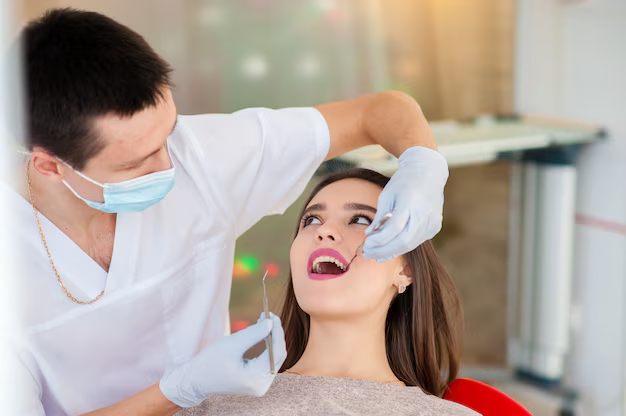
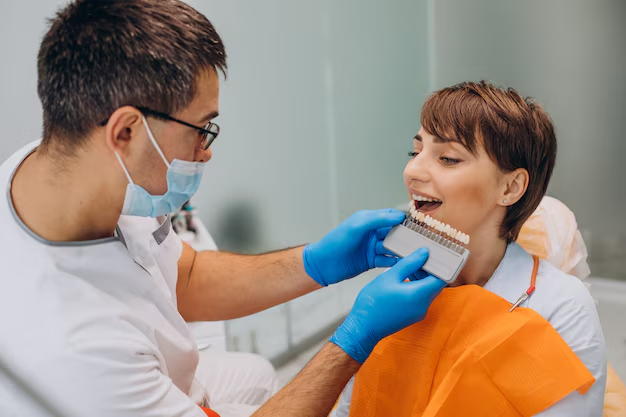
With in-office bleaching, the dentist applies a whitening product directly to your teeth. Because a professional handles the application, the process can use a stronger approach while keeping the whitening agent away from your gums. It is generally the fastest route to a visible change, which is why it appeals to people with an event on the calendar or a stubborn shade they want corrected.
Professional whitening can help you achieve a naturally brighter smile safely, comfortably, and with results that boost your confidence. The supervision is a large part of what you are paying for. Professional treatment typically runs about $200 to $400.
Who tends to choose in-office whitening
In-office treatment suits patients who want results quickly, who have tried store-bought products without much luck, or who have a history of sensitivity and would rather have a professional monitoring the process. It also makes sense for anyone who is already due for a dental visit, since a quick check of your gums, enamel, and existing dental work should come before whitening anyway. If you have untreated gum inflammation or a cavity, that needs attention first.

At-Home Whitening Kits: Dentist-Supplied vs Over the Counter
Take-home kits from your dentist
Dentist-supplied at-home whitening sits in the middle of the range. Your dental team provides the bleaching product, often with trays, and you wear it on a schedule you agree on together. You get professional guidance and a product you know is meant for your mouth, but you apply it yourself over multiple sessions instead of in a single appointment. Many practices offer this as an alternative to in-office treatment, or as a follow-up to keep results fresh.
Over-the-counter strips, trays, and LED devices
Whitening strips typically cost $30 to $70 for a pack of 10 to 20 strips. LED whitening kits usually fall between $50 and $300, and the instructions commonly call for 20 to 30 minutes of daily use over 2 to 4 weeks. Drugstore whitening strips, trays, and toothpastes as a group are the most affordable option at roughly $20 to $100, but they use lower concentrations of whitening agents and therefore take longer to show a difference.
Brand names vary by year and by what is on the shelf. One 2026 roundup of dentist-approved kits named Opalescence Go as its best overall pick, Willow Dental Advanced as the best choice for beginners, and a Crest product as the best whitening strips. Those rankings are a starting point for research, not a guarantee that any one kit will work for your teeth.
Whitening toothpastes
Whitening toothpastes are the gentlest and slowest option in this group. They sit primarily in the over-the-counter category, and they are best thought of as maintenance rather than transformation. If your goal is a noticeable shade change, a toothpaste alone is unlikely to deliver it.
Comparing the Typical Costs
Prices vary by provider, product, and how many teeth are being treated, but the ranges below reflect what the available sources report for each category.
| Whitening option | Typical cost | What it involves |
|---|---|---|
| Professional in-office whitening | About $200 to $400 | Dentist applies a whitening product to your teeth |
| Whitening strips | $30 to $70 for 10 to 20 strips | Self-applied strips, typically used over days or weeks |
| LED whitening kits | $50 to $300 | 20 to 30 minutes daily for 2 to 4 weeks |
| Drugstore strips, trays, and toothpastes | $20 to $100 | Lower concentrations of whitening agents, slower results |
| DIY and natural methods | As little as about $5 | Acid-containing fruits, vinegar, or charcoal products |
Dentist-supplied take-home kits are not consistently priced in the sources reviewed here, so ask your dental office for a quote before deciding. That cost usually includes the trays and the bleaching gel together.
Side Effects and Safety
Whitening is not risk free, though the effects are usually short lived. Temporary tooth sensitivity and gingival inflammation are the most common adverse effects of vital tooth whitening, according to the American Dental Association. Sensitivity tends to show up during treatment and fade afterward, and gum irritation is often linked to the whitening agent contacting soft tissue.
This is where professional settings have a practical advantage. A dentist can shield your gums, adjust the concentration, and stop or pause treatment if your teeth are reacting. If you use an over-the-counter kit, follow the instructions exactly, avoid leaving strips or trays on longer than directed, and stop if discomfort does not settle. Anyone with untreated decay, gum disease, or a lot of dental restorations should have a dental exam before whitening, since whitening will not improve those problems and may make them more noticeable.
DIY and Natural Whitening Methods
The list of DIY or natural whitening techniques includes acid-containing fruits, vinegar, and products containing charcoal. These approaches are not the same as peroxide-based whitening, and the ADA groups them separately from clinical whitening treatments. Because acids and abrasives can affect teeth and gums in ways that are hard to predict, it is worth asking your dentist before trying any of them, especially if you already have sensitivity, thin enamel, or exposed roots. The low cost is tempting, but it comes with the least certainty about what your teeth will look like afterward.
How to Choose Between In-Office and At-Home
Start with three questions. How fast do you want to see a change, how much do you want to spend, and how much control do you want over the process?
- Choose in-office whitening if speed and professional supervision matter most, and the higher cost fits your budget.
- Choose a dentist-supplied take-home kit if you want professional guidance with more flexibility about when and where you whiten.
- Choose over-the-counter strips, trays, or an LED kit if cost is the priority and you are comfortable with slower, gradual results.
- Choose whitening toothpaste only as upkeep, not as your main whitening strategy.
Whatever route you take, habits decide how long your results hold. Beverages like coffee, tea, and red wine, along with smoking, contribute to staining. Cutting back, rinsing with water after staining drinks, and keeping up with regular cleanings all help protect the work you just paid for.
Frequently Asked Questions
Is in-office whitening better than at-home kits?
Not automatically, but it is faster and more supervised. In-office bleaching puts a professional in control of the application, which matters if you have sensitive teeth or gum concerns, and it usually costs $200 to $400. At-home options cost less and let you work at your own pace, but results take longer and you manage the process yourself.
Can whitening brighten crowns, veneers, or fillings?
No. Only natural teeth can be whitened, not tooth-colored restorations. Crowns, veneers, and bonding keep their original shade while the enamel around them lightens, which can leave a noticeable mismatch. If you have a lot of dental work in the front of your mouth, talk with your dentist about how whitening would affect the overall look before you begin.
What side effects should I expect from whitening?
Temporary tooth sensitivity and gingival inflammation are the most common adverse effects of vital tooth whitening, per the American Dental Association. These usually settle after treatment stops. Contact your dentist if sensitivity is severe, lasts longer than expected, or comes with gum soreness that does not improve, particularly if you used a high-concentration product.
Which whitening option costs the least?
DIY and natural methods are the cheapest, starting around $5, but they carry the most uncertainty. Among products with a defined approach, drugstore strips, trays, and toothpastes run about $20 to $100, whitening strips about $30 to $70 for 10 to 20 strips, and LED kits about $50 to $300. Professional treatment is the most expensive at roughly $200 to $400.
How do I know which option is right for my teeth?
A dental exam gives you the clearest answer. Your dentist can confirm whether your discoloration is the kind whitening can address, check for decay or gum inflammation that should be treated first, and note which teeth have restorations that will not lighten. From there, you can weigh speed, cost, and supervision against your own priorities rather than guessing from a shelf label.