A damaged or decayed tooth can cause discomfort and affect your confidence. Fortunately, dental crowns offer a reliable and effective solution to restore your tooth’s function and appearance. For years, traditional crowns were the standard method, a process that required multiple visits to the dentist. Today, modern dental technology offers a faster alternative: same-day crowns.
Both options can restore and protect a damaged tooth, but they are not identical. They differ in the number of appointments, the materials used, and how long they are expected to last. Understanding the differences can help you feel more confident when your dentist discusses crown options with you.
What Are Dental Crowns?
A dental crown is a tooth-shaped cap that fits over a damaged or decayed tooth. It restores the tooth’s shape, strength, and appearance while protecting it from further damage. Crowns are commonly recommended when a tooth is too damaged for a filling but still has enough structure to support a restoration.
Both same-day crowns and traditional crowns are designed for this purpose. Both are considered excellent options for restoring and protecting damaged teeth. The best choice depends on your specific needs, the location of the tooth, and your preferences for time and longevity.
How Traditional Crowns Work
Traditional crowns are the long-standing approach to restoring teeth. They offer a time-tested method with a wide variety of materials, which gives the dentist options for matching durability, strength, and appearance to your particular tooth.
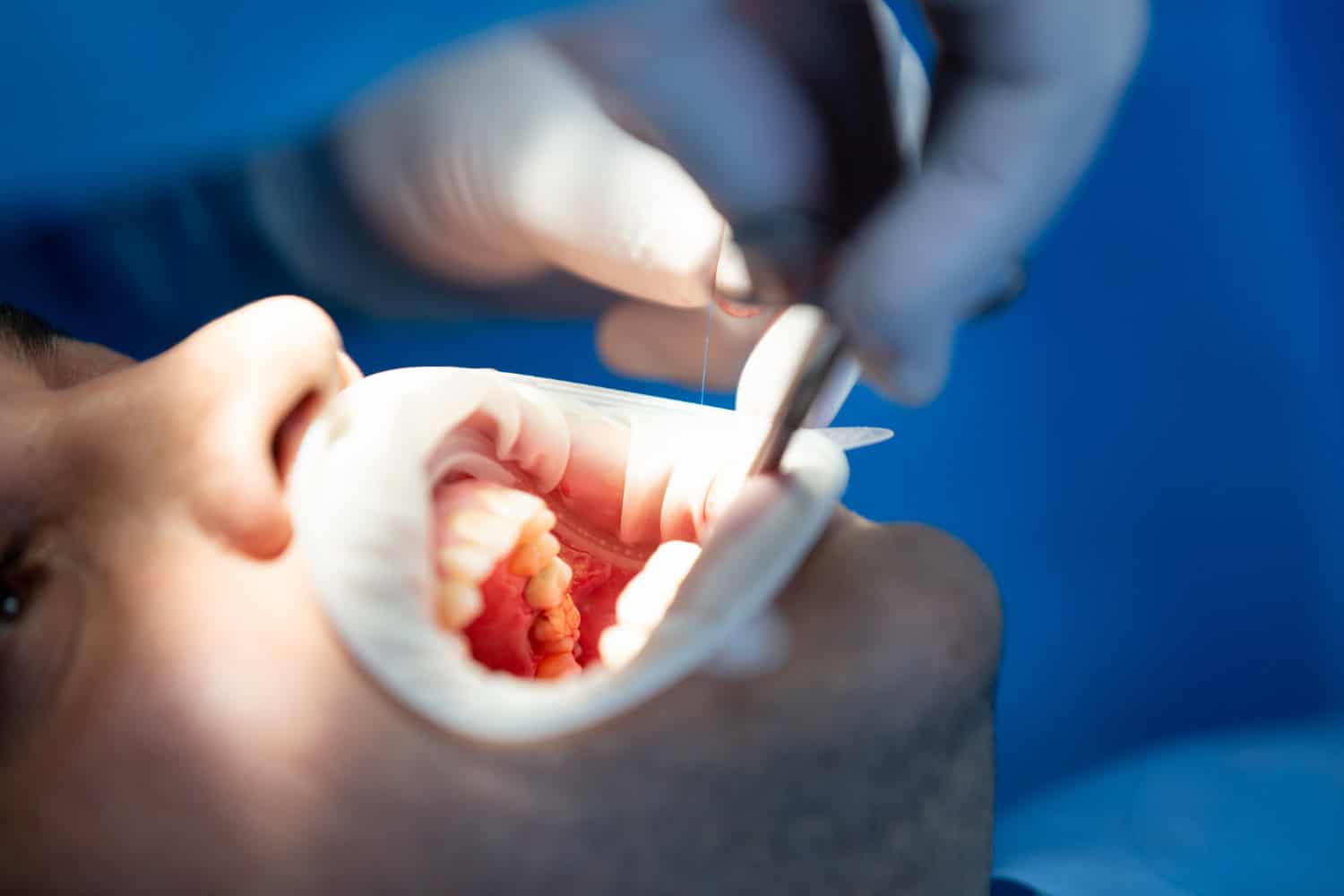
The process typically requires multiple appointments. During the first visit, your dentist prepares the tooth, takes an impression, and places a temporary crown to protect it while the permanent crown is made. The impression is sent to a dental laboratory, where the final crown is fabricated. At a second appointment, the temporary crown is removed and the permanent crown is fitted and bonded into place.
Because the final restoration is made in a laboratory, there is a waiting period between visits. During that time, the temporary crown is less durable than the final restoration, so patients usually need to take some extra care with eating and oral hygiene.
How Same-Day Crowns Work
Same-day crowns are designed, created, and placed in a single visit. Using digital scanning and in-office milling technology, your dentist can create a precise crown while you wait. There is no outside lab, no impression material, and no temporary crown.
Once the crown is milled, the dentist checks the fit, makes any small adjustments, and bonds it to the tooth before you leave the office. The entire procedure is completed in one appointment, which makes this option especially convenient for patients with busy schedules.
Durability: Which Crown Lasts Longer?
Durability is often the first question patients ask. Traditional dental crowns are more sturdy and enduring than same-day crowns. Lab crowns, especially porcelain-fused-to-metal types, are often more durable and better suited for molars, which handle the heaviest chewing pressure in the mouth.
At the same time, same-day crowns are strong and long-lasting. When measured against traditional crowns for durability, appearance, and convenience, they pass the test with flying colors. For the vast majority of patients, same-day crowns are just as effective as traditional crowns, and clinical research consistently supports this view.
In many cases, the quality of the material is more or less equivalent to a lab crown. The real difference often comes down to time and aesthetics rather than raw strength.
Appearance: Do Same-Day Crowns Look Natural?
Both types of crowns are designed to look like natural teeth. Traditional crowns are very attractive and complement the patient’s natural smile. Because they are made in a lab, there is time for a technician to fine-tune shade, contour, and translucency.
Same-day crowns also deliver excellent aesthetics. Digital design tools allow the dentist to shape the crown to blend with neighboring teeth, and modern materials closely mimic the look of natural enamel. For many patients, the visual result is comparable, and the difference in appearance may be difficult to detect.
Convenience and Appointment Time
Convenience is where same-day crowns have a clear advantage. The entire process happens in a single visit, and there is no temporary crown to manage. This is an appealing option for patients who want a quick solution, who have limited time, or who prefer to avoid a second procedure.
Traditional crowns require multiple appointments and a temporary crown in between. For some patients, that extra step is a minor inconvenience. For others, especially those with dental anxiety or busy schedules, the single-visit approach makes a meaningful difference.
| Factor | Same-Day Crowns | Traditional Crowns |
|---|---|---|
| Number of visits | Single visit | Multiple visits |
| Temporary crown | Not required | Usually required |
| Durability | Strong and long-lasting | More sturdy and enduring |
| Material variety | In-office materials | Wide variety of materials |
| Aesthetics | Excellent | Very attractive and natural-looking |
| Best suited for | Quick treatment in one visit | Molars and maximum longevity |
How to Choose Between Same-Day and Traditional Crowns
The short answer is that it depends. Both same-day crowns and traditional crowns are excellent options for restoring and protecting damaged teeth, and the right choice varies from patient to patient.
If you want a quick solution and prefer not to wear a temporary crown, same-day crowns may be the best option. If longevity is your top priority, especially for a back molar that takes heavy chewing forces, a traditional crown may provide greater peace of mind.
The location of the tooth also matters. Lab crowns, especially porcelain-fused-to-metal types, are often more durable and better suited for molars. Your dentist can evaluate the condition of the tooth and discuss which approach aligns with your goals for durability, appearance, and convenience.
Why Choose Willow Dental for Your Dental Crown?
Choosing the right dental office is just as important as choosing the right type of crown. At Willow Dental, we take the time to understand your oral health needs before recommending treatment. Whether a same-day crown or a traditional crown is the better option, our goal is to restore your smile with lasting comfort, function, and a natural appearance.
Our team uses modern dental technology, careful treatment planning, and a patient-first approach to ensure every restoration fits comfortably and blends naturally with your smile. We believe in explaining every option clearly so you can make an informed decision with confidence.
Conclusion
Both same-day crowns and traditional crowns are reliable solutions for restoring damaged teeth, and each offers unique advantages. Same-day crowns provide speed and convenience by completing treatment in a single visit, while traditional crowns remain a trusted choice for patients who want maximum durability, particularly for back teeth.
The right option depends on several factors, including the condition of your tooth, its location, your lifestyle, and your treatment goals. A thorough dental examination can help determine which type of crown is the most appropriate for your situation, allowing you to enjoy a healthy, functional, and natural-looking smile for years to come.
Frequently Asked Questions
How long do same-day crowns last compared to traditional crowns?
Traditional crowns are considered more sturdy and enduring than same-day crowns, especially porcelain-fused-to-metal lab crowns that are well suited for molars. That said, same-day crowns are strong and long-lasting, and for the vast majority of patients they are just as effective as traditional crowns when placed and cared for properly.
Do same-day crowns require a temporary crown?
No. Same-day crowns are designed, created, and placed in a single visit, so a temporary crown is not needed. Traditional crowns, on the other hand, typically require multiple appointments and a temporary crown while the permanent restoration is being made in a dental laboratory.
Are same-day crowns as natural looking as traditional crowns?
Same-day crowns provide excellent aesthetics and can closely match the look of a natural tooth. Traditional crowns are also very attractive and complement the patient’s smile, with lab technicians able to refine color and shape. For most patients, the visual difference between the two options is minimal.
Which crown is better for a back molar?
Lab crowns, especially porcelain-fused-to-metal types, are often more durable and better suited for molars because these teeth endure the most chewing pressure. Traditional crowns are more sturdy and enduring overall. Your dentist can determine whether a same-day crown can handle the demands of that specific tooth.
How do I know if I am a candidate for a same-day crown?
The best way to know is to schedule an exam with your dentist. They will look at the condition of the tooth, consider its location in your mouth, and discuss your priorities for convenience, appearance, and longevity. Based on those factors, they can recommend the approach that best fits your needs.