Oral cancer screening is often included in a routine dental visit, and many patients are surprised to learn it happened at all. The exam is quick, painless, and can be completed in the same appointment as a cleaning. What is less straightforward is how often you actually need it. The answer depends on your age, your habits, and guidance from organizations like the American Cancer Society and the Oral Cancer Foundation. Understanding the recommended oral cancer screening frequency helps you know what to expect and when you should schedule your next exam.
What Is an Oral Cancer Screening?
Oral cancer screening is an examination of the mouth to look for signs of oral cancer, which is also called mouth cancer. This type of cancer can start anywhere inside the mouth, including on the lips. The goal of oral cancer screening is to find areas that could be cancer as early as possible.
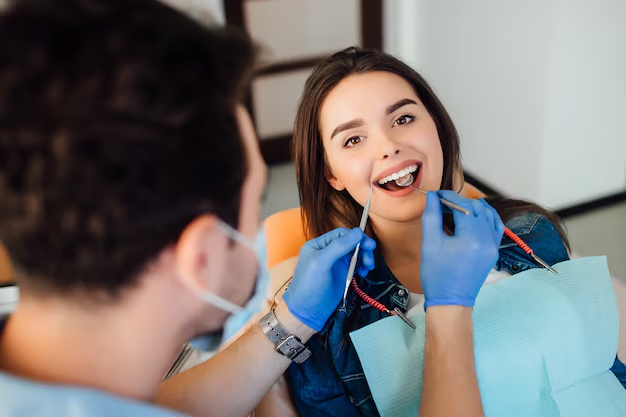
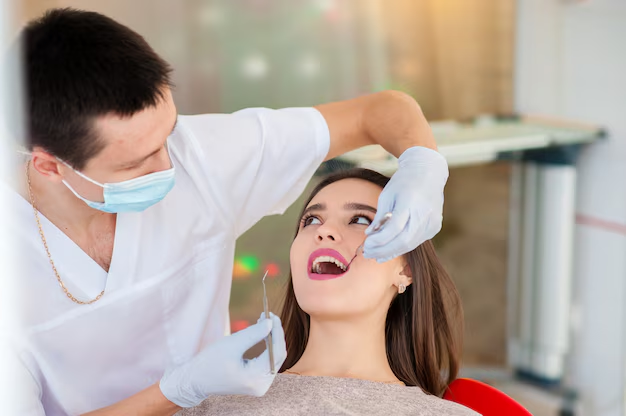
Many dentists perform an oral cancer screening exam during a regular dental visit. The Oral Cancer Foundation recommends a visual and tactile approach. Your dentist looks closely at the tissues in your mouth, including the lips, tongue, gums, and the back of the throat, and then feels along the jaw, neck, and the floor of the mouth with gloved fingers. The whole process is quick and usually causes no discomfort.
Why Screening Frequency Matters
Like other cancers that are routinely screened for, oral and oropharyngeal cancers are easiest to manage when they are caught early. A small sore or a red or white patch may look harmless, but a dentist who sees it during a screening can decide whether it needs monitoring, closer inspection, or a referral.
The frequency of screening matters because a single check is only a snapshot. Most studies reported in the literature are based on one round of screening, yet screening should be a continuous process. In fact, experts point out that a single screening is not enough on its own. Following a regular schedule increases the chance that changes in your mouth are noticed as soon as they appear.

Who Should Get Oral Cancer Screenings
Recommendations differ slightly depending on the source, but age and risk factors are the two main factors that determine how often you should be screened. The sections below break down the most common guidance.
Adults 40 and older
The American Cancer Society recommends that patients over the age of 40 get a screening once a year. Other sources echo this, noting that adults over 40 should have annual screenings. The risk of oral cancer increases with age, which is why the screening interval shortens after 40. If you are in this age group, an oral cancer screening should be part of your yearly dental checkup, just like a cleaning or a set of x-rays.
Adults under 40
For younger adults, the American Cancer Society recommends a screening once every three years. One source states that adults over the age of 20 should have a screening every three years. The Oral Cancer Foundation takes a more cautious approach, recommending that oral and oropharyngeal cancers be screened for annually starting around the age of 18, similar to how other cancers are screened.
If you are under 40 and unsure which schedule applies to you, your dentist can recommend the right interval based on your health history, family history, and any risk factors you may have.
People who use tobacco or have other risk factors
If you use tobacco products, the Oral Cancer Foundation recommends that screening begin at the age you commenced tobacco use, rather than waiting until age 18. People with a higher risk of oral cancer generally need more frequent screening than the standard interval. That could mean an annual exam even if you are younger than 40, or more frequent checks if your dentist identifies additional concerns. Because these recommendations are individualized, it is best to have a conversation with your dentist about your specific situation.
How Often Should You Be Screened?
The table below summarizes the oral cancer screening frequency recommendations that are most commonly cited by major health organizations.
| Who | Recommended Screening Frequency |
|---|---|
| People age 18 and older | Annually, according to the Oral Cancer Foundation |
| Adults 20 to 39 | Every three years, according to the American Cancer Society and an additional source |
| Adults 40 and older | Once a year, according to the American Cancer Society |
| People who use tobacco | Screening should begin when tobacco use begins; more frequent screening may be needed |
| People at higher risk | More frequent than the standard recommendation |
For most adults, oral cancer screenings are recommended at least once a year, and in many cases dentists perform a screening at every routine visit. That means you may not need to schedule anything separately; the exam simply happens during your regular dental appointment.
Organizations such as the National Cancer Institute gather research to help doctors recommend who should be screened, which screening tests should be used, and how often those tests should be performed. This is why the frequency advice you receive can vary slightly from one dental practice to another. Each dentist applies the guidelines to your individual risk profile, and the exact interval should always be confirmed by someone who knows your health history.

What Dentists Look For During the Exam
During an oral cancer screening, your dentist looks over the inside of your mouth, including the lips, tongue, gums, cheeks, and the back of the throat. Red or white patches, sores, and other lesions are the main points of interest. The dentist may also feel the tissues in your mouth and neck to check for lumps, thickening, or tenderness.
Some dentists may use additional tests to help show whether a lesion could have concerning features. The American Dental Association has published a guideline offering recommendations for the use of these adjuncts as triage tools for evaluating lesions in the oral cavity. These extra tools do not replace the visual and tactile exam. Instead, they help the dentist decide whether a spot deserves a closer look or a referral for further evaluation.
Making Oral Cancer Screening a Regular Habit
Oral cancer screening works best when it becomes part of an ongoing dental routine rather than a one-time event. Experts note that most studies are based on one round of screening, yet screening should be a continuous process. Regular dental visits give your dentist the chance to compare what they see now with what they saw at your previous appointment, which makes subtle changes easier to spot.
If you are over 40, or if you have ever used tobacco, ask your dentist about oral cancer screening frequency at your next visit. If you are under 40 and have no risk factors, a screening every three years may be enough, although some organizations recommend annual exams starting at 18. The important thing is to have a plan and to follow it. At Willow Dental, oral cancer screening is part of the comprehensive dental examination, so you can ask about it at your next routine visit.
Frequently Asked Questions
Is oral cancer screening part of a regular dental checkup?
Many dentists perform an oral cancer screening exam during a regular dental visit. It is typically a quick addition to your routine exam, so you may not even notice it happening. If you are not sure whether your dentist included a screening, ask at your next appointment. Knowing what was checked gives you peace of mind.
Does oral cancer screening hurt?
No. The Oral Cancer Foundation describes the recommended screening as visual and tactile, meaning your dentist looks and feels for anything unusual. The exam is quick and painless, and it does not require any special preparation. In most cases, the entire screening takes only a minute or two during your regular dental visit.
Who needs oral cancer screenings more often than once a year?
People at higher risk may need oral cancer screenings more often than once a year. The Oral Cancer Foundation recommends that people who use tobacco begin screening at the age they started using tobacco, and those with elevated risk may benefit from more frequent exams. Adults over 40 are generally advised to have annual screenings. Your dentist can tailor the schedule to your risk profile.
When should I start getting oral cancer screenings?
The Oral Cancer Foundation recommends annual screening starting around age 18. The American Cancer Society recommends screening every three years for younger adults and annually for adults over 40. If you use tobacco products, screening should begin at the age you started using tobacco, regardless of age. A dentist can confirm which starting point is right for you.
Oral cancer screening is a small step that fits naturally into a routine dental visit. Knowing the recommended frequency for your age and risk level helps you take an active role in your health. No matter your age or risk level, having a regular screening schedule gives you the best chance of catching problems early. If it has been a while since your last exam, ask your dentist whether an oral cancer screening should be part of your next appointment.