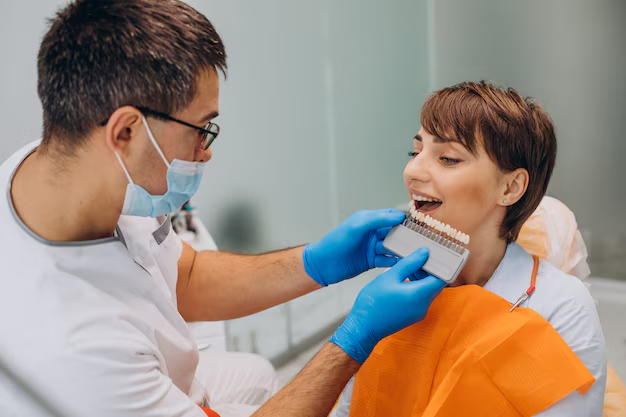

Most people expect a dental checkup to include a look at the teeth, a check of the gums, and possibly a set of x-rays. Fewer people realize that the same appointment often includes an oral cancer screening. This quick exam takes only a few minutes, yet it serves an important purpose: it looks for early signs of cancer in the mouth. Because the process is fast and painless, the importance of oral cancer screening can be easy to overlook. Understanding what the screening involves, why dentists include it, and who needs it can help you feel more prepared and informed at your next visit.
What Is an Oral Cancer Screening?
An oral cancer screening is an exam of the mouth to look for signs of oral cancer, which is also called mouth cancer. This type of cancer can start anywhere inside the mouth, including on the lips. The goal of the screening is to find areas that could be cancer, or lesions that could turn into cancer, as early as possible. Finding these areas early is what gives patients the best chance at timely treatment.
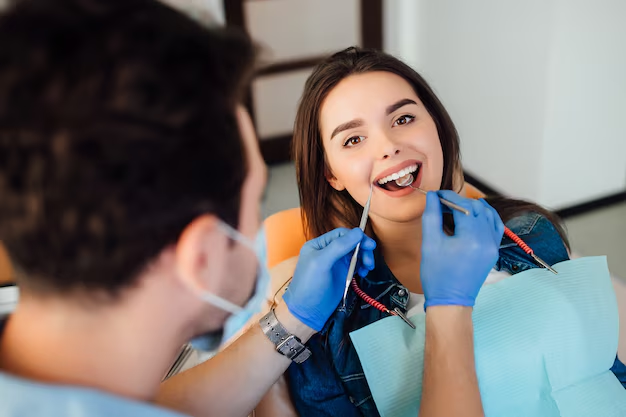
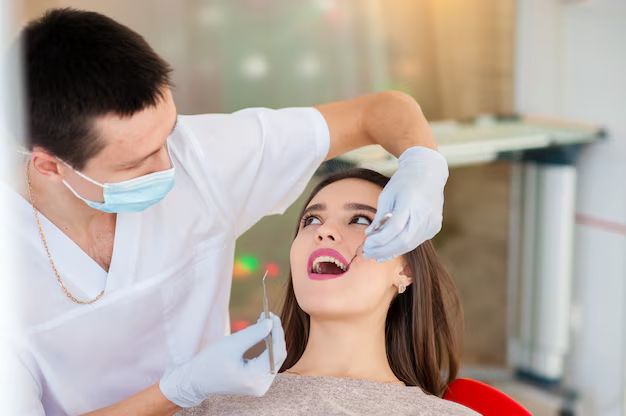
During the exam, your dentist examines the lining of your cheeks, your gums, your lips, your tongue, and the floor and roof of your mouth. The dentist is looking for lesions and any other abnormalities that might warrant attention. Some dentists may also use additional tests to help show whether sores or red or white patches in the mouth, known as lesions, could be a concern. These extra tools can provide more information, but the visual and physical exam remains the foundation of the screening.
Why Oral Cancer Screening Matters
Oral cancer screenings are considered the best tool available for early diagnosis and treatment. The two principal benefits of cancer screening are to down-stage the disease and to achieve a reduction in mortality and morbidity. In everyday language, that means screening helps find cancer at an earlier stage, when treatment tends to be more successful, and it reduces the overall harm caused by the disease.
A five-minute oral cancer screening during a dental appointment may help identify a malignant lesion before it has a chance to spread, or a premalignant lesion that has not yet become cancer. That short window of time can make a significant difference in the path ahead for a patient.
Oral cancer is also an ideal cancer to identify early through screening. It is frequently preceded by an identifiable premalignant lesion, and the progression from that stage to something more serious can take time. Because dentists see patients on a regular schedule, they have repeated chances to notice changes in the mouth that might otherwise go unnoticed. This is one reason the dental exam is such a natural setting for this type of screening.
Who Needs an Oral Cancer Screening?
A common misconception is that oral cancer screenings are only necessary for people who smoke, chew tobacco, or drink heavily. Those behaviors are known risk factors, but they are not the only way oral cancer develops. Oral cancer can affect anyone at any age. Believing that screening is only for certain people can lead others to skip a simple check that could catch a problem early.
Because many people visit the dentist regularly for cleanings and exams, the dental office is a natural place for this screening to take place. Many dentists perform an oral cancer screening as part of a regular dental visit. The importance of oral cancer screening is that it reaches a wide range of people, including those who may not realize they could benefit from it. When screening is built into routine care, it becomes a habit rather than an extra step that is easy to forget.
What Happens During the Screening
There is nothing complicated or uncomfortable about an oral cancer screening. The dentist will examine the lining of your cheeks, gums, lips, tongue, and the floor and roof of your mouth. The goal is to check for lesions, sores, red or white patches, or any other abnormalities that could signal cancer or a condition that might develop into cancer. The exam is straightforward, and the dentist will typically explain what they are looking for as they go.
If the dentist finds anything suspicious, the next step is usually a referral to an oncologist for further testing. It is helpful to remember that an unusual spot does not automatically mean cancer. Many lesions are harmless, but they still deserve a closer look by a specialist to be sure.
The entire screening typically takes about five minutes and happens during the same appointment as your regular dental exam. No special preparation is required. You do not need to change anything about your routine beforehand, and the screening does not add meaningful time to your visit.

How Early Detection Supports Better Outcomes
The main reason oral cancer screening is part of a dental exam is straightforward: finding cancer early gives you more options. When a malignant lesion is identified before it has a chance to spread, treatment can begin sooner. When a premalignant lesion is found, there is an opportunity to act before cancer develops at all. Either outcome is far better than discovering a problem after it has advanced.
Screening programs are designed to down-stage disease, meaning cancers are discovered at an earlier and more treatable stage. Along with a reduction in mortality and morbidity, this is one of the two principal benefits of cancer screening. A routine five-minute check during a dental visit is a small investment of time that can have an outsized impact on a patient’s future.
Understanding the Limitations of Screening
It is also honest to acknowledge what screening can and cannot do. Some sources note that oral cancer screenings aim to detect mouth cancer earlier, when treatment may be more successful. At the same time, health organizations encourage patients to understand the risks of any test and to consider whether screening has been proven to reduce the risk of dying from cancer. The evidence is not one-sided, and dentists weigh both the benefits and the limitations when recommending screening to their patients.
For most patients, the practical takeaway is that a quick screening during a routine dental visit is a simple step with meaningful potential. No screening is perfect, but the importance of oral cancer screening rests on one clear idea: identifying a problem early creates more opportunities for successful treatment. If you have questions about screening, a conversation with your dentist is the best way to understand how it fits into your overall care.
At Willow Dental in Reading, MA, oral cancer screening is part of our preventive approach to family and general dentistry. We include it alongside professional cleanings, comprehensive exams, and gum disease screening because we believe that catching problems early is one of the best things we can do for our patients. If you are due for a dental visit, your routine exam can include this simple screening, and our team is happy to answer any questions you have about what it involves.
Frequently Asked Questions
What is the goal of oral cancer screening?
The goal is to find mouth cancer, or lesions that could turn into cancer, as early as possible. Oral cancer, also called mouth cancer, can start anywhere inside the mouth, including on the lips. Finding these areas early creates an opportunity for treatment before the disease has a chance to spread. Most dentists perform this check during a routine dental visit.
Who should have an oral cancer screening?
Although some people believe screening is only for those who smoke, chew tobacco, or drink heavily, oral cancer can affect anyone at any age. Because of that, routine screening is valuable for all dental patients. Many dentists include this quick exam as part of a regular dental visit, so no separate appointment is needed to receive it.
What does the dentist look for during the screening?
The dentist examines the lining of the cheeks, gums, lips, tongue, and the floor and roof of the mouth. They check for lesions, sores, and red or white patches, along with any other abnormalities. If something suspicious is found, the dentist typically refers the patient to an oncologist for further testing to determine whether the area is a concern.
How long does an oral cancer screening take?
An oral cancer screening usually takes about five minutes and is performed during your regular dental appointment. There is no special preparation required. The dentist simply looks at the tissues in your mouth for anything unusual, making it an easy addition to a routine checkup that does not disrupt your day.